Earlsfield florist trade pricing explained real cost guide
Posted on 13/10/2026
If you have ever looked at a bouquet price and thought, "Right... but what am I actually paying for here?", you are in the right place. The Earlsfield florist trade pricing explained real cost guide breaks down what goes into florist pricing in SW18, why the numbers can vary so much, and how to judge value without second-guessing every stem.
Whether you are buying a simple hand-tied bunch, arranging flowers for an event, or comparing local delivery options, pricing is easier to understand once you know the moving parts. There is the flower itself, of course, but also conditioning, design time, delivery, seasonality, wastage, packaging, and the less glamorous but very real business overheads. Let's face it: flowers look effortless. They are not effortless.
This guide keeps things practical. You will learn how trade pricing works, what influences the final shop price, when a cheaper option makes sense, and where it can backfire. If you want a local florist perspective rather than a vague "starting from" answer, read on.
- Why pricing clarity matters
- How florist trade pricing works
- Benefits of understanding real costs
- Who this guide is for
- Step-by-step pricing breakdown
- Expert tips for better value
- Common mistakes to avoid
- Tools, resources and recommendations
- Law, compliance and best practice
- Options and comparison table
- Case study example
- Practical checklist
- Conclusion
- Frequently asked questions
Why Earlsfield florist trade pricing explained real cost guide Matters
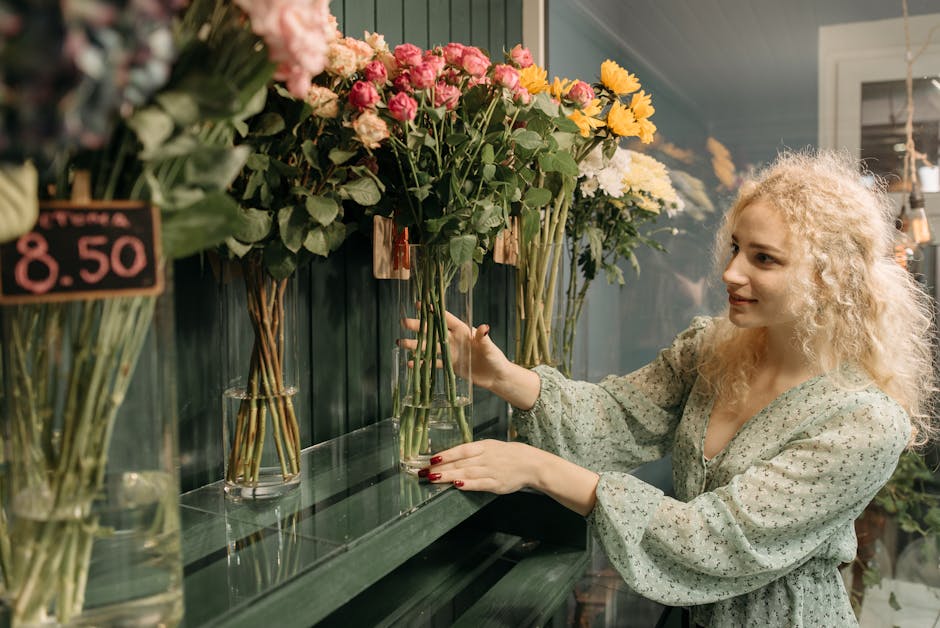
Florist pricing can feel oddly opaque. One shop quotes GBP35, another GBP55, and both say the bouquet is "premium". So what is going on? In reality, you are not just paying for flowers in a bucket. You are paying for someone to source them well, keep them fresh, design them properly, and get them to the right place looking good rather than floppy and apologetic.
In Earlsfield, as in much of London, customers often want a fast, reliable service with a polished finish. That convenience changes the cost structure. Delivery timing, local demand, and flower availability all shape the final price. If you only look at the headline number, you may miss the reason one arrangement lasts longer, travels better, or is simply better suited to the occasion.
Understanding trade pricing also helps you avoid unfair comparisons. A florist using luxury roses, imported orchids, and hand-finished wrapping is operating very differently from a budget bunch assembled around bulk seasonal stems. Both can be useful. They are just not the same product. Once you grasp that, buying flowers becomes much less stressful.
Key point: the real cost of flowers is rarely just the blooms. Design skill, freshness control, and delivery logistics all sit behind the price tag.
How Earlsfield florist trade pricing explained real cost guide Works
Florist trade pricing usually starts with the wholesale cost of stems and foliage. But the wholesale figure is only the beginning. A florist then adds the hidden costs of making those stems retail-ready. That includes labour for sorting, trimming, conditioning, arranging, and finishing, plus the cost of ribbons, hydration packs, boxes, vases, and delivery materials where needed.
Here is the simple logic: a florist buys stock in advance, not on demand. Some flowers arrive perfectly usable, some need trimming, and some may be discarded if they fail quality checks. That wastage has to be absorbed somewhere. If a florist is honest about quality, the price will reflect the fact that not every stem can be sold.
There is also seasonality. A bouquet built around flowers in peak season is usually easier to price competitively. Out-of-season stems may be harder to source and more expensive to buy. Think of Valentine's week, Mother's Day, wedding season, or a particularly cold spell when certain imports are more fragile. The market shifts quickly. Very quickly, if you work in flowers.
Then come the design choices. A tightly packed florist's choice arrangement may use clever mechanics and fewer expensive focal blooms, while a wide, airy design with larger flowers and more stem count can cost more. The same is true for special requests such as a colour palette, specific blooms, or same-day turnaround.
Typical cost layers in florist pricing
- Flower acquisition: wholesale stems, foliage and seasonal availability
- Conditioning: cutting, hydrating and checking quality before arranging
- Design labour: the time and skill needed to build the arrangement
- Materials: wraps, cellophane, ribbons, tape, vases, boxes and care cards
- Delivery: route planning, local hand-delivery or timed drops
- Waste allowance: stock loss, damaged stems and unavoidable spoilage
- Business overheads: premises, staff, payment fees and admin
Key Benefits and Practical Advantages
Knowing how pricing works does more than satisfy curiosity. It helps you buy better. When you understand where the money goes, you can decide whether you want a showpiece bouquet, a tidy value arrangement, or something in the middle that stretches your budget sensibly.
There is also emotional value in clarity. Flowers are often bought during busy or sensitive moments. Birthdays, apologies, new babies, sympathy, anniversaries, last-minute deliveries... you do not always have time to compare fifty options. If you understand the price structure, decisions become simpler and less fraught.
In practice, this knowledge can help you:
- spot genuine value instead of just a low headline price
- compare arrangements more fairly
- choose the right product for the occasion
- avoid disappointment with under-sized or short-lived flowers
- plan ahead for seasonal peaks and busy delivery days
- ask better questions before ordering
If you are buying for a home, you may care most about vase life and style. If you are ordering for an event, consistency and delivery timing matter more. The "best" price is the one that fits the job, not just the cheapest number on screen.
Who This Is For and When It Makes Sense
This guide is for anyone who wants to make sense of florist pricing in Earlsfield without wading through jargon. If you are a first-time customer, it helps you know what you should expect. If you buy flowers regularly, it helps you judge whether a price increase is justified. And if you are ordering for a corporate setting, wedding, funeral, or milestone event, the stakes are higher because the arrangement has to look right and arrive on time.
It is especially useful when:
- you are comparing local flower delivery options in SW18
- you want to understand why "cheap flowers" can still have different values
- you need same-day or next-day service and want to know the cost implications
- you are planning a larger spend for an event or tribute
- you want to avoid paying for extras you do not actually need
To be fair, not every customer wants a full breakdown. Some people just want "something lovely, please, and quickly." That is fine too. But once you know the structure, you can choose with more confidence, and that usually means less frustration later.
If you are browsing styles, it can help to look at the range of products available locally, such as a local florist in Earlsfield, flower delivery in Earlsfield, or budget-friendly flower options depending on the job at hand.
Step-by-Step Guidance
Here is the easiest way to think about florist trade pricing, step by step. This is not a rigid formula, but it is close enough to help you understand what you are paying for.
- Start with the stem cost. A florist checks wholesale prices and availability. Roses, lilies, tulips, chrysanthemums, alstroemeria, and mixed seasonal flowers all behave differently in the market.
- Account for conditioning. Flowers do not arrive shelf-ready in a magical state. They need trimming, hydration, and sorting before design work even begins.
- Choose the style. A simple bunch is cheaper to build than a complex hand-tied arrangement, luxury bouquet, or bespoke tribute.
- Add materials. Packaging, presentation, water source materials, cards, vases, and protective wrapping all add small but real costs.
- Include labour. Someone has to design the arrangement, check it, finish it neatly, and make sure it is ready to travel.
- Factor in delivery. A local hand delivery may be more economical than a narrow time slot or urgent same-day request.
- Allow for wastage and overheads. Shops operate with losses, replacements, and staff costs. The retail price absorbs those realities.
A helpful rule of thumb is that two bouquets can look similar at first glance while being priced very differently because one uses expensive blooms and the other leans on seasonal stems and efficient design. That is not cheating. It is just florist economics.
A simple cost example
Imagine a mixed bouquet for a birthday. The florist chooses a seasonal mix, some foliage, finishing wrap, a card, and local delivery. The flowers themselves might be only part of the final price. The rest comes from the time spent conditioning, arranging, packing, and delivering. If the bouquet is upgraded with premium roses or same-day delivery, the price rises because the inputs rise. Straightforward, really, even if the pricing sheet looks a bit mysterious at first.
Expert Tips for Better Results
When customers want better value, they sometimes think "cheaper" first. In practice, smarter is better than cheaper. A few small choices can make a noticeable difference to quality and cost.
Choose seasonal flowers when possible. Seasonal stems are usually easier to source and often give you more impact for the money. They can also feel fresher and more natural for the time of year. A late-summer bouquet, for example, can look full and generous without relying on hard-to-source imports.
Be flexible on exact flowers. If you need a colour palette rather than a precise bloom list, your florist can often build something stronger for the budget. That flexibility is one of the biggest price savers, and it keeps the design looking intentional rather than compromised.
Ask for the purpose, not just the product. Are the flowers for a bedside table, a desk, a celebration meal, or a formal tribute? The answer shapes the right spend. A compact design may be perfect for one scenario and underwhelming for another.
Think about vase life. If you want flowers to last several days, ask which stems hold up well after delivery. Some blooms are stunning but fragile. Others are less dramatic and far more resilient. The sensible choice depends on your priorities.
Plan around peak dates. Valentine's Day, Mother's Day, and key seasonal events can change availability quickly. If you know you will need flowers then, order early. It is calmer for everyone, and frankly the flowers are usually better for it.
Do not overbuy add-ons. Chocolates, cards, balloons, and vase upgrades can be lovely, but they should support the gift, not bury it. A well-balanced bouquet often says more than a cluttered bundle of extras.
Common Mistakes to Avoid
The biggest pricing mistake is assuming that similar-looking arrangements should cost the same. They often should not. Two bouquets can differ in bloom quality, stem count, design time, or delivery service. Price comparisons only make sense when the product is genuinely comparable.
Another common slip is choosing the cheapest option for an occasion that really needs presence. A small bunch may be fine for a quick thank-you. It may feel underpowered for a wedding table, an important sympathy gesture, or a milestone birthday. Context matters, and flowers are emotional objects as much as commercial ones.
People also forget about delivery. A bouquet that looks affordable in the basket can become less so once same-day or time-sensitive delivery is added. That does not make it bad value. It just means the full cost should be checked before checkout.
Here are the mistakes we see most often:
- comparing bouquets without checking stem quality or size
- ignoring delivery fees or timing constraints
- choosing too many add-ons and stretching the budget thin
- ordering late during busy seasonal periods
- focusing on a single bloom type when flexibility would deliver better value
- assuming "cheap" always means poor quality, or that "premium" always means better taste
Truth be told, flowers are a bit like meals out. You can spend more and still feel it was worth every penny, or spend less and be perfectly happy. The trick is matching the spend to the moment.
Tools, Resources and Recommendations
You do not need specialist software to understand florist pricing, but a few practical tools help you make better decisions. A simple notes app is often enough to compare bouquet size, flower type, delivery window, and total cost. If you buy often, keep a rough record of what you paid and what arrived. You will spot patterns quickly.
It also helps to browse product groupings by occasion or style. If you know you need a specific category, that narrows the search and makes price comparison much easier. For example, a customer looking for birthday flowers in Earlsfield will usually compare differently from someone browsing funeral flowers or wedding flowers.
Useful product pages can also help you understand price bands by style. Examples include florist's choice arrangements, luxury flowers, budget options, and vase arrangements. Those categories are not just labels; they hint at different labour levels, materials, and presentation styles.
If you are buying for a more formal use, it may help to review relevant pages on delivery details, payment options, guarantees, and flower care advice. These pages often answer the practical bits people forget to ask until after ordering.
Law, Compliance, Standards, or Best Practice
Floral pricing itself is not usually a heavily regulated subject in the way some financial products are, but florists still need to follow ordinary UK consumer and business best practice. That means prices should be clear, descriptions should not mislead, and any delivery promises should be realistic. If there are substitutions because of seasonal supply, they should be handled carefully and transparently.
Good practice also matters in areas that customers do not always see. Card payments should be handled securely, terms should be easy to find, and refund or replacement policies should be understandable. A florist that explains its processes well usually feels more trustworthy, because it is being upfront about what happens if something goes wrong.
For sympathy, funeral, wedding, or corporate work, the expectations are even higher. Timing, presentation, and accuracy matter enormously. In those settings, it is wise to confirm names, dates, delivery instructions, access details, and any sensitive wording before the order is finalised. That little bit of care saves awkward follow-up later.
You should also expect sensible sustainability and sourcing practices where possible. Not every flower can be local or seasonal, especially in London. But a thoughtful florist will usually try to balance freshness, environmental impact, and customer budget. If you care about this, ask. It is a fair question.
For housekeeping and policy transparency, it can be reassuring to review pages such as terms and conditions, privacy policy, returns and refund information, sustainability commitments, and about us. Those pages tell you a lot about how a business thinks.
Options, Methods, or Comparison Table
Not every flower order needs the same pricing approach. Sometimes you want a simple hand-tied bunch. Sometimes you want a florist-led design. Sometimes you need something more specialised, such as event work or sympathy flowers. Here is a practical comparison.
| Option | Best for | Typical cost drivers | What to watch for |
|---|---|---|---|
| Budget mixed bouquet | Everyday gifting, quick thank-yous | Seasonal stems, simpler design, lighter packaging | May be smaller or less durable if over-focused on price |
| Florist's choice arrangement | Best value and flexibility | Creative design, seasonal stock, balanced labour | You give up exact bloom control, which is often fine |
| Luxury bouquet | Big occasions, premium gifting | Higher-grade blooms, more stems, more finishing time | Price rises fast with premium flowers |
| Same-day delivery order | Urgent gifting, last-minute needs | Speed, route planning, limited stock selection | Availability can be narrower |
| Tribute or sympathy design | Funerals, memorials, remembrance | Specialist design, wording, time sensitivity | Accuracy and respectful presentation matter most |
If you are unsure which route to take, florist's choice is often the most balanced option. It gives the designer room to work with the best available flowers on the day, which can be excellent value. Not always, but often enough that it is worth serious consideration.
Case Study or Real-World Example
Here is a realistic example from a common Earlsfield scenario. A customer wants flowers for a dinner celebration on a Friday evening, and they need delivery the same day because, well, life happened and they remembered late. They want something "bright, cheerful, and not too fussy."
A sensible florist might suggest a seasonal mixed bouquet with a strong colour palette rather than specific imported stems. That choice keeps the spend under control while still producing a full-looking arrangement. If the customer insists on exact roses plus lilies plus a narrow delivery slot, the price will rise because the sourcing and handling become less flexible.
Now compare that with a sympathy order. The design may need to be calmer, more traditional, and more precise in presentation. The florist may spend more time ensuring the tribute wording is right, the delivery timing is respectful, and the arrangement suits the setting. Even when the flower count is similar, the service load is different. That is why "similar size" does not always mean "similar price".
Another small but important example: a customer orders a vase arrangement in the morning and asks why it costs more than a wrapped bouquet with fewer visible stems. The vase arrangement may include the container, more preparation, and better travel stability. On a wet London day, that can be worth every penny. You notice the difference once it arrives looking composed rather than rattled by the journey.
Practical Checklist
Use this checklist before you place an order. It saves time and prevents silly surprises. Nothing dramatic, just the sort of practical thinking that makes the whole process smoother.
- Know the occasion and the message you want to send
- Decide your budget range before browsing
- Check whether you want seasonal flexibility or exact flowers
- Confirm delivery date, time window, and address details
- Ask whether the bouquet includes a vase, card, or packaging
- Review substitution and refund terms before checkout
- Consider whether same-day delivery is really necessary
- Look at the size, style, and stem mix rather than price alone
- For event orders, confirm quantities and timings early
- For sympathy or tribute work, double-check wording carefully
Quick reassurance: if you do not know all the answers straight away, that is normal. Most people do not. A good florist should help you narrow it down without making you feel daft for asking basic questions.
Conclusion
The real value of the Earlsfield florist trade pricing explained real cost guide is simple: it turns a confusing price tag into a sensible decision. Once you understand the trade side of the business, you can see why some bouquets cost more, why seasonal flowers often stretch further, and why delivery, labour, and materials all matter just as much as the blooms themselves.
If you remember only one thing, let it be this: the best florist purchase is not always the cheapest one. It is the one that matches the moment, the message, and the level of finish you actually need. That is how you get flowers that feel right when they arrive, and that is what people really notice.
Get a free quote today and see how much you can save.
And if you are still weighing up the options, that is fine too. A little clarity goes a long way, and the right bouquet is usually closer than it first appears.
Frequently Asked Questions
What does florist trade pricing actually mean?
It means the underlying cost structure a florist works with: wholesale flower cost, labour, packaging, waste, delivery, and overheads. The customer price builds on those inputs.
Why do two bouquets with similar flowers have different prices?
Because the flower mix is only one part of the story. Stem quality, arrangement size, design time, packaging, and delivery terms can all change the final cost.
Are seasonal flowers always cheaper?
Usually, but not always. Seasonal flowers are often easier to source and can offer better value, though premium varieties or supply pressure can still push prices up.
Is same-day flower delivery more expensive?
Often, yes. Same-day orders reduce flexibility, narrow the available stock, and add pressure to the delivery route, so the service may cost more.
What is the best value option if I am not sure what to buy?
Florist's choice is often the best starting point. It allows the florist to use the freshest and most suitable flowers for the budget, which can be surprisingly good value.
How can I tell if a cheap bouquet is still good quality?
Look at the flower mix, size, stem count, presentation, and delivery terms rather than price alone. A lower-cost bouquet can still be well made if the design is sensible and the flowers are fresh.
Do vase arrangements cost more than hand-tied bouquets?
Usually they do, because they include the container and more preparation. They can be worth it if you want easier display and stronger travel protection.
What should I ask before ordering flowers online?
Ask about delivery timing, substitution policy, included extras, freshness expectations, and whether the arrangement is seasonal or made to a fixed flower list.
Why are funeral and tribute flowers priced differently from gift bouquets?
They often involve specialist design, careful wording, more exact timing, and a different presentation style. Those factors affect labour and planning, even if the flower volume seems similar.
How far in advance should I order for busy dates like Mother's Day?
As early as you reasonably can. Peak dates put pressure on stock and delivery schedules, so early ordering usually improves choice and reduces stress.
Can I save money by being flexible on colour or flower type?
Yes. Flexibility gives the florist more room to use the best available seasonal stems, which often improves value and can produce a stronger overall design.
What is the biggest mistake people make when judging florist prices?
Comparing price tags without comparing the full product. If one bouquet includes more stems, better flowers, a vase, or premium delivery, it is not really the same offer.