Wandsworth Council rules for flowers in Earlsfield public spaces
Posted on 04/10/2026
If you're planning to leave flowers, arrange a tribute, decorate a bench, or mark a special moment in Earlsfield, the rules can feel oddly unclear at first. One minute it seems simple; the next you're wondering whether a bouquet is fine on a pavement tree guard, or whether a memorial arrangement needs permission. This guide explains the practical reality of Wandsworth Council rules for flowers in Earlsfield public spaces in plain English, so you can act with confidence and avoid awkward removals or complaints.
We'll look at why the rules matter, how they usually work in day-to-day terms, what to do before you place flowers outdoors, and how to stay respectful of local spaces. You'll also get a checklist, a comparison table, and a few realistic examples from the kind of situations people actually run into. Because let's face it, no one wants a thoughtful gesture to turn into a hassle.
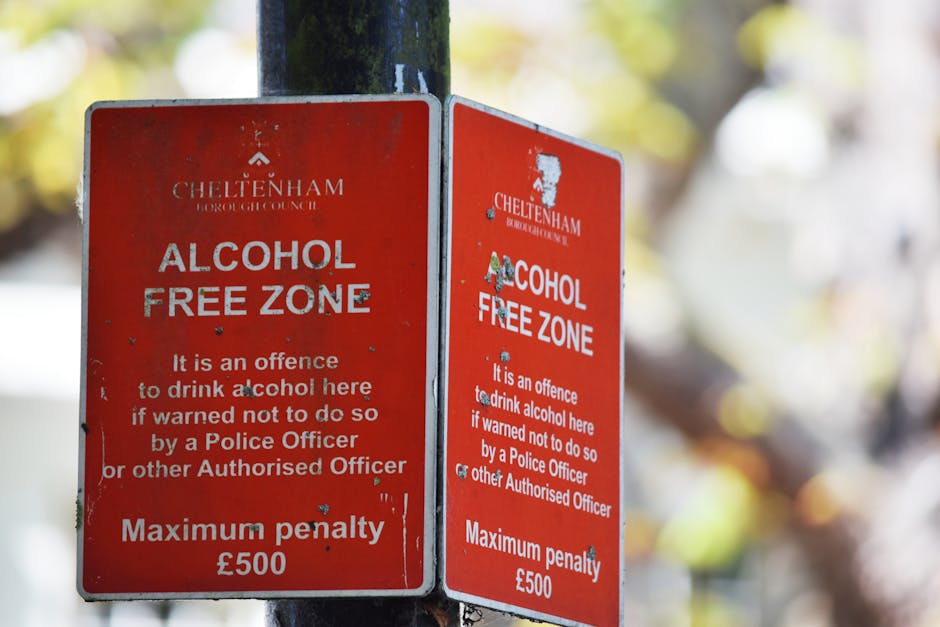
Why Wandsworth Council rules for flowers in Earlsfield public spaces Matters
Flowers in public spaces sound harmless. Usually they are. But the moment you place anything in a shared environment, you're entering a space with safety, maintenance, accessibility, and community considerations. That is especially true in a busy London neighbourhood like Earlsfield, where pavements, kerbs, verges, tree pits, railings, lamp columns, and small green areas all see regular use.
The rules matter because public space has to work for everyone. A bouquet left in the wrong place can block wheelchair access, create litter if it blows apart, attract trip hazards, or interfere with cleaning and grounds maintenance. In a memorial context, the intention may be respectful, but the practical impact can still be messy if the placement is not suitable.
There's also the simple fact that councils manage land differently. Some areas are maintained like formal open spaces, some like highway land, and some are looked after by separate teams or partners. If you assume one flower arrangement is welcome everywhere, you can end up disappointed. To be fair, most people only want to show care or gratitude. The tricky part is doing that in a way that fits the local rules.
Practical takeaway: if flowers are intended for a public space in Earlsfield, think first about safety, permission, visibility, and upkeep-not just sentiment.
How Wandsworth Council rules for flowers in Earlsfield public spaces Works
In practice, the approach usually comes down to location, permanence, and impact. A small bunch tied neatly to an approved memorial point may be treated very differently from a larger floral display attached to railings or placed across a path. The same flowers, different outcome. That's public-space management for you.
Here's the simple way to think about it:
- Temporary flowers are generally easier to accommodate than fixed or long-term displays.
- Placement matters: a safe, tidy location is more likely to be acceptable than one that narrows access or creates clutter.
- Maintenance matters: anything likely to decay, scatter, or block cleaning crews may be removed.
- Permissions may matter: especially if you want to place flowers for an event, campaign, memorial, or community activity.
That means a simple bouquet laid at a suitable memorial point is not the same as decorating a tree, fence, or street fixture without approval. If you're unsure, it's worth checking before you go ahead. In our experience, that one extra step avoids a lot of back-and-forth later.
Where flowers are linked to a bigger occasion-such as a wedding photo stop, community celebration, remembrance event, or business display-expect the council to think about wider public use. People need to pass, jog, park buggies, and get on with their day. The flowers should fit around that reality, not fight it.
Key Benefits and Practical Advantages
Following the right process is not just about avoiding problems. It also makes your gesture look better, feel more respectful, and last longer. A well-placed floral tribute in a public setting can be genuinely moving; a poorly placed one can look untidy within hours.
Here are the main benefits of taking the rules seriously:
- Respectful presentation: flowers are more likely to be seen as thoughtful rather than intrusive.
- Lower risk of removal: compliant placements are less likely to be cleared away.
- Better public safety: you reduce trip hazards, access issues, and obstruction.
- Less waste: arrangements are less likely to be damaged by wind, rain, or routine maintenance.
- Cleaner appearance: a tidy arrangement tends to be accepted more readily.
- Less stress for you: no last-minute panic about whether you've done the wrong thing.
There's a local nuance here too. Earlsfield is the kind of place where people notice small things: a bouquet on a railing, petals scattered after rain, or a memorial card fluttering near the pavement. A considerate arrangement blends into the space beautifully. A careless one? It stands out for the wrong reason.
Who This Is For and When It Makes Sense
This topic is relevant to more people than you might think. It's not just for event planners or community groups. Everyday residents run into flower-related public-space questions all the time.
You may need this guidance if you are:
- placing flowers as a memorial or tribute
- decorating a public area for a wedding or celebration photo
- organising a community event in Earlsfield
- adding flowers near a bench, tree, path, or railings
- supporting a charity, local campaign, or awareness action
- arranging flowers outside a business in a way visible from public land
- trying to understand what is acceptable after a bereavement or anniversary
It also makes sense for florists and local deliverers. If a customer asks for flowers to be left at a public location, the florist needs enough practical context to avoid promise-and-pray territory. A good florist will usually ask where the flowers are going, how long they need to stay, and whether the destination is public or private.
If you're planning something more formal, think about the type of flowers too. For example, a modest bouquet may be easier to manage than a large freestanding arrangement. Seasonal choices can help as well. A spring or summer-style piece often holds up better outdoors than a delicate composition packed with fragile blooms. Tiny detail, big difference.
Step-by-Step Guidance
If you want the safest, least stressful route, follow a proper sequence rather than guessing. This is the part that saves time.
- Identify the exact location. Be clear whether the flowers will go on council-managed land, highway land, a memorial area, or somewhere privately maintained but publicly visible.
- Decide the purpose. Is this a tribute, celebration, community display, or one-off gesture? The purpose affects how the arrangement is likely to be treated.
- Check whether the placement is temporary or ongoing. Temporary flowers are usually simpler. Ongoing displays often need more thought and may need permission.
- Think about obstruction. Can pedestrians, pushchairs, mobility aids, and cleaning teams still move freely?
- Keep the design tidy. Loose packaging, fragile accessories, and oversized attachments can cause problems outdoors.
- Use a stable container or fastening method. If flowers may topple, spill, or blow away, the arrangement is probably not ready for a public place.
- Confirm any permission process. If the display is significant, ask in advance rather than after the fact.
- Monitor the arrangement. Weather changes quickly. A calm morning can turn windy by lunchtime. London does enjoy that little trick.
- Remove or refresh responsibly. If the flowers fade, tidy them away before they become litter or a maintenance issue.
A useful rule of thumb: if the flowers rely on someone else tolerating them indefinitely, they probably need a second look. The best public-space floral gestures are the ones that look intentional, neat, and easy to maintain.
Expert Tips for Better Results
Small choices can make a surprisingly big difference. Here are the habits that tend to work best in the real world.
- Keep the palette restrained if the flowers are for remembrance or a civic setting. Gentle whites, soft pinks, or mixed seasonal stems often feel more appropriate than very loud, sprawling designs.
- Choose sturdy flowers if the arrangement will spend time outdoors. Some stems simply cope better with wind, rain, and a bit of urban dust.
- Use clean mechanics such as weighted containers, secure ribboning, or proper holders where allowed. A beautiful bouquet is less beautiful when it slides across wet paving.
- Plan for the weather. A morning frost, a damp afternoon, or gusty conditions near an open square can shorten the life of the display.
- Don't overdecorate. More is not always more. A simple, well-chosen bunch often reads better than a complicated arrangement trying very hard.
Here's a practical local detail: on a busy route, flowers may be seen from a distance, but they'll be experienced up close by the people who pass them every day. That means scent, spill, size, and placement all matter. A heavy fragrance in a tight footway can be lovely for a moment and then, well, slightly much.
If the flowers are part of a wider occasion, use the event itself to guide style. For a celebration, brighter blooms can feel right; for a tribute, softer tones may be more suitable. There's no universal formula, just a bit of judgement and a willingness to keep things respectful.
Common Mistakes to Avoid
Most problems happen for predictable reasons. The good news is that they're easy to avoid once you know what to watch for.
- Assuming all public spaces are treated the same. A green, a verge, and a pavement edge are not interchangeable.
- Leaving flowers where they block access. Even a lovely arrangement becomes a problem if it narrows a path.
- Using fragile packaging. Wet card, loose cellophane, and weak ties tend to fail outdoors.
- Ignoring weather. Rain, wind, and heat all affect how long flowers stay presentable.
- Making the display too large. Oversized tributes can look impressive for an hour and awkward for a week.
- Failing to check permissions. This is the big one. It's also the most annoying when it goes wrong.
- Letting faded flowers linger. A drying bunch can quickly move from respectful to neglected.
One slightly human truth: the most common mistake is not bad intention, it's underestimating how quickly public-space arrangements change once the weather gets involved. You can set something down neatly at 10 a.m. and by 3 p.m. it's leaning like it's had a rough day.
Tools, Resources and Recommendations
You do not need a massive toolkit to get this right. A few sensible items and habits are enough.
- Weather check: before placing anything outdoors, especially if it is lightweight or delicate.
- Measuring eye: step back and ask whether the arrangement leaves enough space for people to pass.
- Secure wrap or container: if the flowers need to stand upright or stay in one place.
- Simple note card: useful for tributes, but keep it waterproof and easy to remove if needed.
- Contact details for the organiser: essential for events or temporary public installations.
If you're ordering flowers locally, it can help to choose a florist who understands Earlsfield's pace and practicalities. A local shop is often better placed to advise on size, durability, and delivery timing. You may also want to look at general ordering information such as delivery options, or browse a florist's wider range through a local Earlsfield florist if you need something tailored.
For public-space tributes or event flowers, choosing a style that holds together well is usually the smartest move. Some people prefer classic stems, others want something seasonal and softer. If you're unsure, a dependable option from the more versatile collection can be easier to manage than a highly intricate design. For example, a well-balanced arrangement from the all flowers selection can suit a lot of situations without looking overdone.
If budget matters, there's no shame in keeping things modest and thoughtful. A smaller arrangement can still feel sincere. The key is choosing it carefully, not expensively. That's true of public flowers more than most things, really.
Law, Compliance, Standards, or Best Practice
Because this topic touches public land, the safest approach is to treat it as a matter of local authority control, public safety, and common-sense standards. Exact arrangements may vary depending on the site, the type of land, and any permissions in place. In other words, the broad principles stay fairly steady, but the details can shift from place to place.
Best practice usually means:
- not obstructing highways, footways, cycle routes, or access points
- not fixing items to public assets without approval where needed
- keeping displays tidy, stable, and easy to remove
- avoiding materials that become litter, slip hazards, or maintenance issues
- respecting any site-specific guidance or event rules
For flowers placed in connection with a funeral, remembrance, or formal tribute, it is especially sensible to be careful with size and positioning. A tasteful arrangement in an appropriate place is usually welcomed far more readily than something that spills across the edge of a path or clings to a fixture in a way that affects others.
If you are arranging flowers for a community project, business activity, or repeated public display, it is wise to treat the setup as something that may need ongoing consent or review. Compliance is not only a legal issue. It is also about being a good neighbour. And in Earlsfield, that matters.
Options, Methods, or Comparison Table
Different flower placements suit different situations. Here's a simple comparison to help you decide what makes sense.
| Option | Best for | Pros | Watch-outs |
|---|---|---|---|
| Small bouquet or tribute | Personal remembrance, quick gesture | Easy to place, discreet, respectful | Can blow away or wilt quickly if exposed |
| Container-based arrangement | Short-term public display | More stable, neater, easier to control | May still need approval if placed on public land |
| Fixed or attached display | Events, formal commemorations | Highly visible, structured, decorative | Often needs permission and careful safety checks |
| Temporary event decoration | Weddings, community days, photo spots | Flexible and celebratory | Needs planning so it doesn't obstruct public use |
If you're torn between a few approaches, start with the least intrusive one that still expresses what you want. That tends to be the sweet spot. Not flashy, not fussy, just right.
Case Study or Real-World Example
Imagine a resident in Earlsfield wants to leave flowers after a family bereavement. They find a nearby public spot that feels meaningful and place a loose bouquet against a railing. It looks fine for a while, but after an afternoon of drizzle the card softens, the stems sag, and a passerby has to move around the arrangement. By the next morning it looks untidy, and someone else has to clear it.
Now compare that with a more considered approach. The family checks whether the intended spot is appropriate, chooses a compact arrangement, uses a stable holder, and keeps the tribute away from the main walking line. The flowers still feel personal, but they sit neatly and don't interfere with daily use. People passing by notice the care. The gesture lands properly.
That second version is usually what you want. It's not about making the tribute smaller in spirit. It's about making it stronger in practice.
Another common scenario is a local event organiser planning a community celebration. They want flowers near an entrance in Earlsfield to make the space feel welcoming. The first idea is to scatter small vases wherever there's room. The better idea is to pick a few controlled, safe locations, confirm what is permitted, and keep every display stable and visible. Same mood, less hassle. Much less.
Practical Checklist
Use this before placing flowers in any Earlsfield public space:
- Have I identified the exact location?
- Is the land public, council-managed, or privately maintained?
- Will the flowers block access, sightlines, or maintenance?
- Is the arrangement temporary or intended to stay up for a while?
- Do I need permission before placing it?
- Will the flowers stay stable in wind or rain?
- Is the design tidy, respectful, and easy to remove?
- Have I planned what happens when the flowers fade?
- Does the arrangement suit the occasion?
- Have I checked the weather and timing?
Quick reminder: if there's any doubt, simplify. A simpler arrangement is often safer, cleaner, and easier to accept in public space.
Get a free quote today and see how much you can save.
Conclusion
The easiest way to think about Wandsworth Council rules for flowers in Earlsfield public spaces is this: respect the place, respect the people using it, and keep the flowers manageable. That simple mindset takes you a long way.
Whether you're arranging a memorial, a community gesture, or a small decorative display, the best results usually come from being neat, cautious, and realistic about weather, access, and upkeep. No one needs perfection. They just need thoughtfulness that holds up in the real world.
If you're planning flowers for a public setting, give yourself a little breathing room, check the details, and choose the option that feels considerate rather than showy. That's usually the one that works. And when it does, it can be quietly lovely.
Sometimes the most respectful gesture is also the simplest one.
Frequently Asked Questions
Can I leave flowers in a public space in Earlsfield without permission?
Sometimes a small, temporary tribute may be tolerated, but you should not assume every public space allows it. The safer approach is to check whether the location is council-managed, whether the flowers could obstruct access, and whether permission is needed.
What counts as a public space for flower placement?
Public space can include pavements, verges, parks, roadside land, railings, and other areas used by everyone. The exact status of the land matters, because different spaces are managed differently and may have different rules.
Are memorial flowers treated differently from decorative flowers?
They can be. Memorial flowers are often considered more sensitively, especially if placed in a suitable, low-impact spot. Even so, they still need to be safe, tidy, and respectful of other users.
How long can flowers stay in a public area?
That depends on the location, the arrangement, and any guidance in place. Temporary displays are generally easier to accommodate than long-term ones, but faded or neglected flowers may be removed.
Can I attach flowers to railings or trees in Earlsfield?
Not automatically. Fixing flowers to public assets can raise safety, maintenance, and permission issues. If you want to do this, it is wise to confirm whether it is allowed first.
What type of flowers are best for outdoor public displays?
Hardier flowers and simpler arrangements tend to work better outside. In wet or windy conditions, choose something stable and not too delicate. A florist can usually help you pick blooms that will cope better.
Do I need permission for flowers at a wedding or event in a public space?
Very possibly, yes. If the display is part of an organised event, formal photos, or a repeated setup, permission or at least a clear check is usually sensible. Don't leave that to the last minute.
What happens if flowers are placed where they cause problems?
They may be moved or removed, especially if they block access, create litter, or interfere with maintenance. In most cases, the issue is practical rather than personal, but it can still be frustrating if you were trying to do something thoughtful.
Is there a difference between council land and private land near public areas?
Yes. A space that looks public may actually be privately maintained, or vice versa. That distinction matters because the rules and permissions can be different even if the area sits right beside a public pavement.
How can I make sure my flowers look respectful rather than messy?
Keep the arrangement compact, stable, and simple. Avoid loose packaging, too many add-ons, or anything likely to blow away. A neat, understated display usually looks more respectful than a large one.
Should I ask a florist before placing flowers in a public place?
Yes, if you want practical advice. A local florist can often help with flower choice, durability, size, and delivery timing. They may also help you avoid a design that looks beautiful indoors but falls apart outside by tea time.
What is the safest first step if I'm unsure about the rules?
Start by identifying the exact spot and thinking about whether the flowers could obstruct anyone. If the answer is unclear, keep the display small and check before placing it. That simple pause can save a lot of bother.